
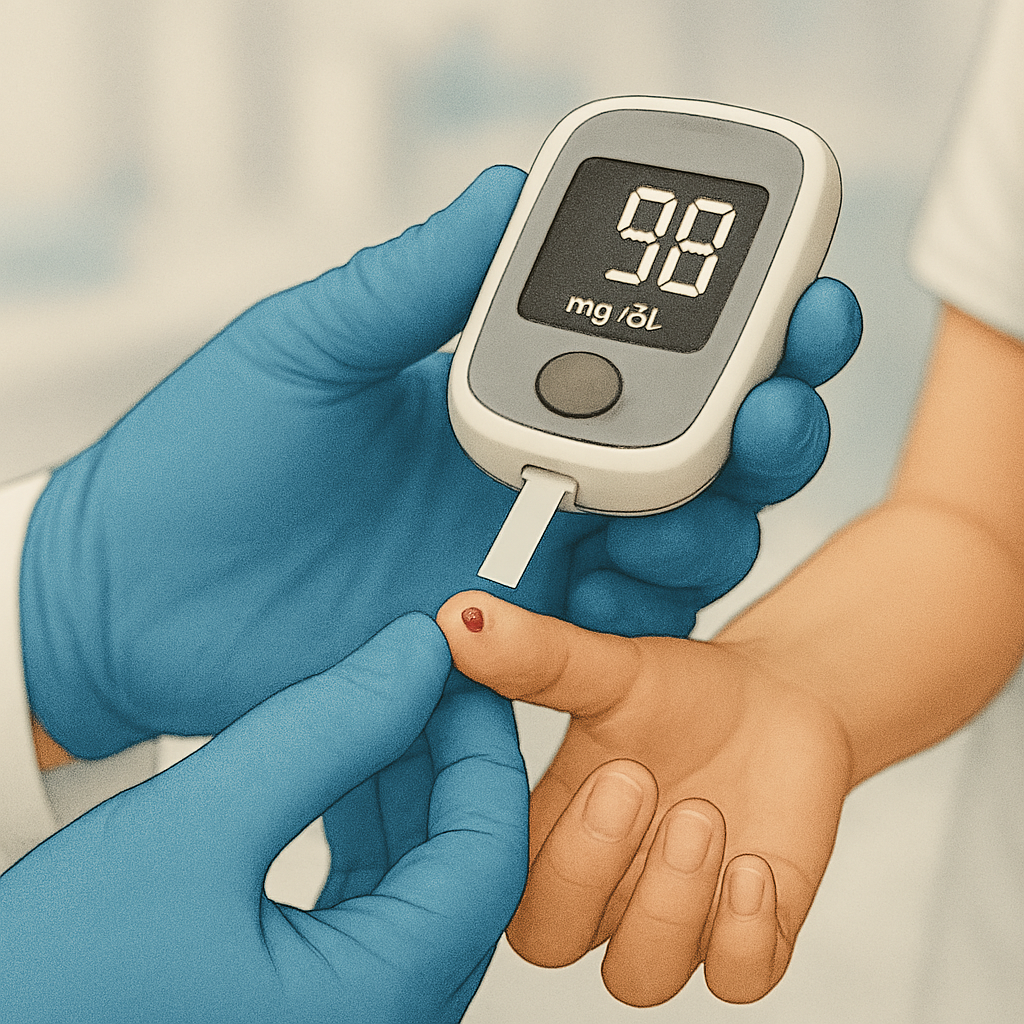
Diabetes: Understanding the Condition, Causes, and Management
Diabetes is a chronic health condition that affects how the body processes blood sugar (glucose). Glucose is a vital source of energy, but when its regulation is disrupted, it can lead to serious health complications. Millions of people around the world live with diabetes, and its prevalence continues to rise due to lifestyle changes and genetic factors.
Types of Diabetes
There are three main types of diabetes. Type 1 diabetes occurs when the immune system attacks insulin-producing cells in the pancreas, resulting in little or no insulin production. Type 2 diabetes, the most common form, develops when the body becomes resistant to insulin or does not produce enough of it. Gestational diabetes occurs during pregnancy and usually resolves after childbirth, though it increases the risk of developing Type 2 diabetes later in life.
Causes and Risk Factors
Diabetes can be caused by genetic predisposition, unhealthy eating habits, lack of physical activity, obesity, and stress. Family history, age, and certain medical conditions also increase the risk.
Symptoms
Common symptoms include excessive thirst, frequent urination, unexplained weight loss, fatigue, blurred vision, and slow wound healing. Early diagnosis is essential to prevent complications.
Management and Prevention
Although diabetes is a lifelong condition, it can be effectively managed. A balanced diet, regular exercise, maintaining a healthy weight, and monitoring blood sugar levels are crucial. In some cases, medication or insulin therapy is required. Preventive measures such as healthy lifestyle choices can significantly reduce the risk of developing Type 2 diabetes.
Conclusion
With proper awareness, early diagnosis, and consistent management, people with diabetes can lead healthy and active lives. Education and lifestyle changes remain the most powerful tools in controlling this global health challenge.