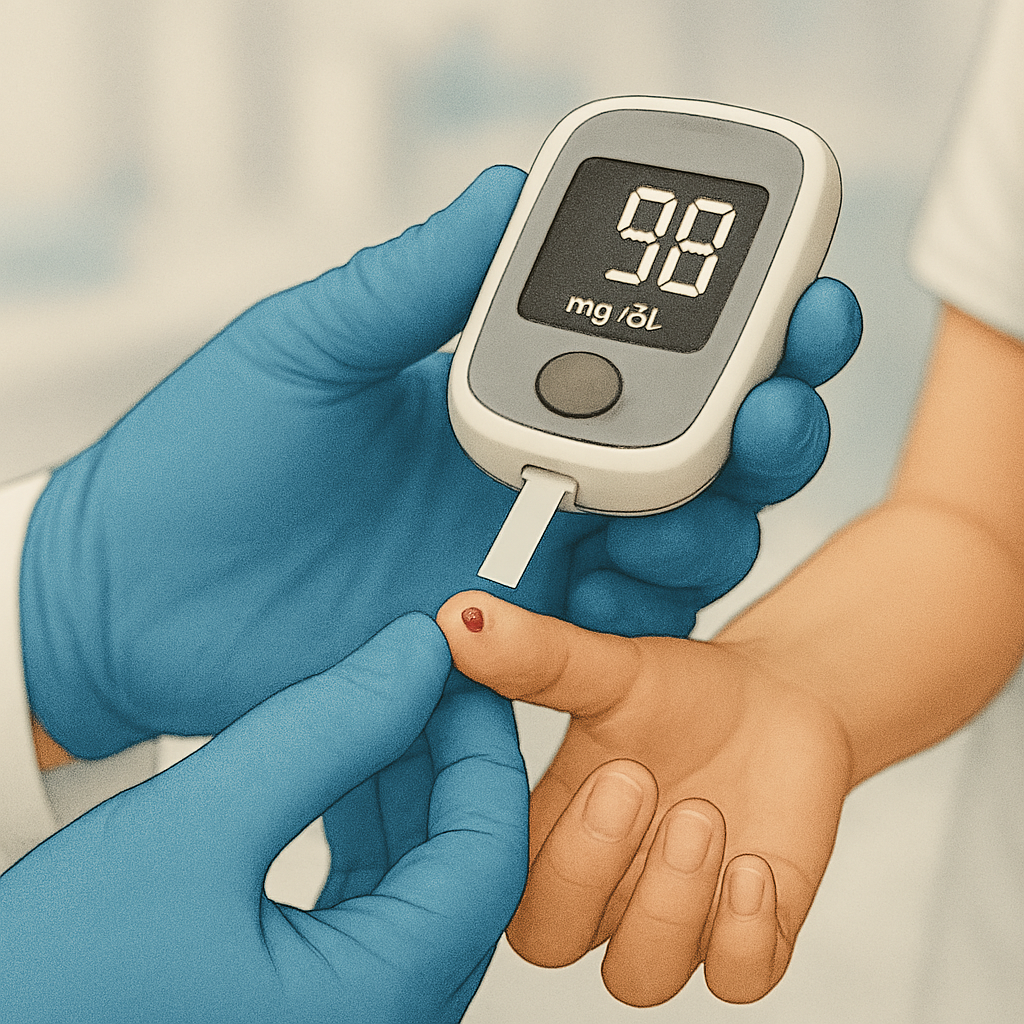
Diabetes: Understanding the Condition, Causes, and Management
Diabetes is a chronic health condition that affects how the body processes blood sugar (glucose). Glucose is a vital source of energy, but when its regulation is disrupted, it can lead to serious health complications. Millions of people around the world live with diabetes, and its prevalence continues to rise due to lifestyle changes and genetic factors.
Types of Diabetes
There are three main types of diabetes. Type 1 diabetes occurs when the immune system attacks insulin-producing cells in the pancreas, resulting in little or no insulin production. Type 2 diabetes, the most common form, develops when the body becomes resistant to insulin or does not produce enough of it. Gestational diabetes occurs during pregnancy and usually resolves after childbirth, though it increases the risk of developing Type 2 diabetes later in life.
Causes and Risk Factors
Diabetes can be caused by genetic predisposition, unhealthy eating habits, lack of physical activity, obesity, and stress. Family history, age, and certain medical conditions also increase the risk.
Symptoms
Common symptoms include excessive thirst, frequent urination, unexplained weight loss, fatigue, blurred vision, and slow wound healing. Early diagnosis is essential to prevent complications.
Management and Prevention
Although diabetes is a lifelong condition, it can be effectively managed. A balanced diet, regular exercise, maintaining a healthy weight, and monitoring blood sugar levels are crucial. In some cases, medication or insulin therapy is required. Preventive measures such as healthy lifestyle choices can significantly reduce the risk of developing Type 2 diabetes.
Conclusion
With proper awareness, early diagnosis, and consistent management, people with diabetes can lead healthy and active lives. Education and lifestyle changes remain the most powerful tools in controlling this global health challenge.
Belly Fat Burn: Causes, Challenges, and Effective Solutions
Belly fat is one of the most common and stubborn forms of body fat. Many people struggle to reduce fat around the abdomen, not only for appearance but also for health reasons. Excess belly fat is linked to serious conditions such as heart disease, type 2 diabetes, and metabolic disorders, making belly fat burn an important fitness and wellness goal.
Why Belly Fat Is Hard to Burn
Belly fat consists of two types: subcutaneous fat, which lies just under the skin, and visceral fat, which surrounds internal organs. Visceral fat is particularly dangerous and more resistant to fat loss. Factors such as poor diet, lack of exercise, stress, hormonal imbalance, and inadequate sleep contribute to belly fat accumulation.
Common Causes of Belly Fat
High intake of sugary and processed foods, excessive carbohydrates, sedentary lifestyle, alcohol consumption, and chronic stress increase belly fat. Stress raises cortisol levels, which encourages fat storage in the abdominal area. Genetics and aging also play a role.
Effective Ways to Burn Belly Fat
There is no way to target belly fat alone, but overall fat loss reduces abdominal fat. A balanced diet rich in lean protein, fiber, vegetables, and healthy fats is essential. Reducing sugar and refined carbs helps control insulin levels. Regular exercise, including cardio, strength training, and core workouts, boosts metabolism and promotes fat loss. High-intensity interval training (HIIT) is especially effective for burning calories in less time.
Lifestyle Habits That Support Fat Loss
Quality sleep, stress management, staying hydrated, and consistency are key factors in belly fat reduction. Drinking enough water aids digestion and appetite control, while proper sleep regulates hormones that affect hunger and fat storage.
Conclusion
Burning belly fat requires patience, discipline, and a healthy lifestyle rather than quick fixes. By combining proper nutrition, regular physical activity, and positive daily habits, sustainable belly fat loss is achievable, leading to better health and increased confidence.
